
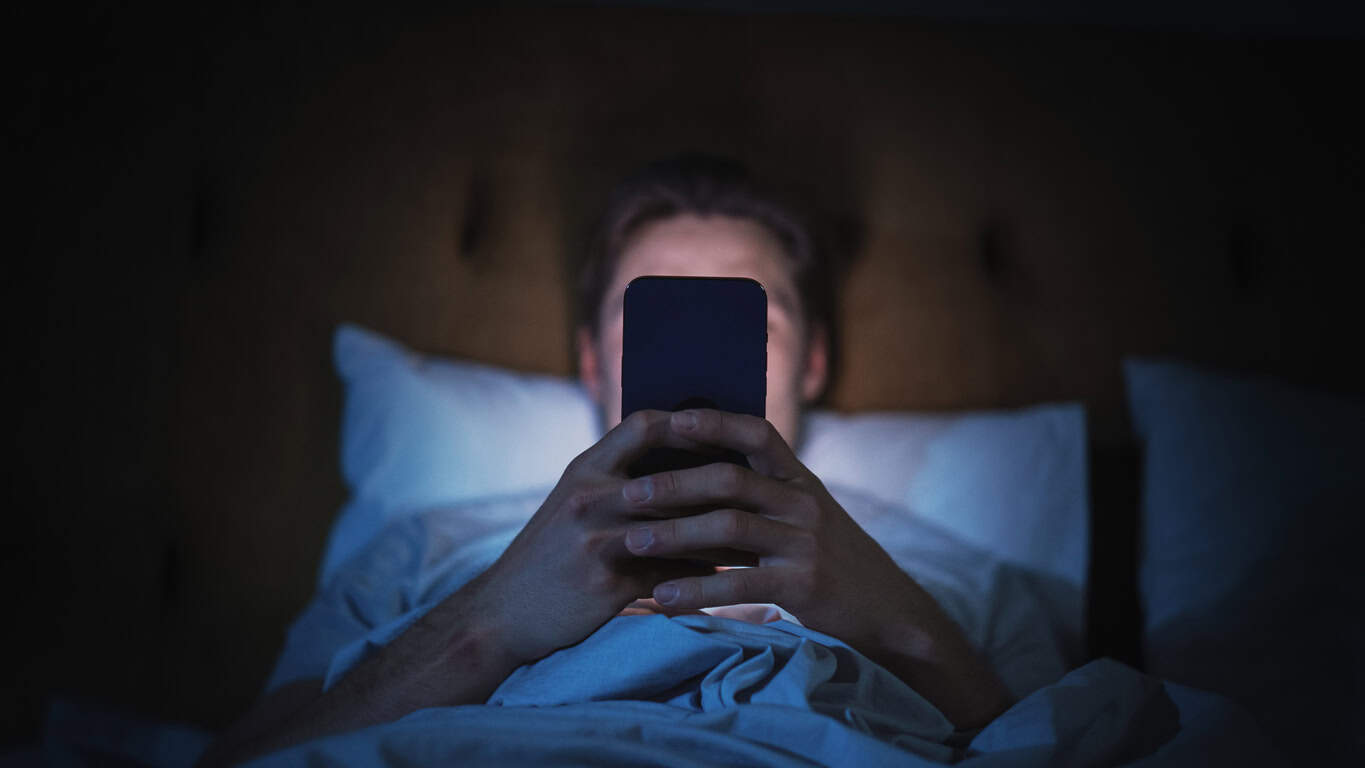

Have you ever wondered whether you might be addicted to your phone?
Maybe you have experienced that sudden wave of anxiety when you realize your phone is missing — only to find it sitting exactly where you left it.
That brief surge of panic is telling. It reveals how deeply our devices have become integrated into our emotional lives. For many people, a misplaced phone does not simply represent inconvenience; it can trigger a genuine stress response. The heart rate increases. Thoughts race. A subtle but real sense of vulnerability emerges.
- Frequent phone use alone does not constitute addiction; many people depend on their phones for work and everyday tasks.
- The main concern is attachment and lack of control, not just screen time.
- Warning signs include distress when not using the phone, unsuccessful attempts to cut back, interference with relationships or responsibilities, emotional dependence, and fear of missing out.
- Symptoms may include withdrawal or anxiety, compulsive checking, isolation, neglecting responsibilities, unsafe use (such as while driving), and checking the phone at inappropriate times.
The more numerous and disruptive these signs are in daily life, the greater the concern about possible addiction.
What is Phone Addiction?
Although the American Psychiatric Association does not officially recognize phone addiction, many medical professionals and researchers around the world acknowledge it as a behavioral addiction
Addiction can be defined as the continued compulsive consumption of a substance or behavior despite its harm to oneself and or others. Phone addiction is the obsessive-compulsive use of a smartphone.
Traditionally, addiction has been associated with substances such as alcohol or drugs — chemicals that alter the brain’s dopamine reward system in measurable ways.
However, in recent decades, the American Psychiatric Association has recognized that behaviors can also become addictive. Gambling disorder, for example, is now recognized as a behavioral addiction because it activates many of the same neural pathways involved in substance dependence.
Researcher Mark Griffiths suggests that some technology-related behaviors can show the same warning signs we see in other addictions. In other words, while the device itself isn’t the problem, the way we use it can sometimes follow patterns that have the same impact on the brain.
At its core, phone addiction involves several key features:
- Inability to Stop
- Loss of control over use
- Increasing tolerance (needing more of the behavior to achieve the same effect)
- Withdrawal-like symptoms when the behavior is reduced or removed
Why Our Brains Get Hooked
Dopamine
For a long time, scientists thought dopamine was just the brain’s “pleasure chemical.” The idea was that dopamine makes things feel good, food, sex, and drugs, and that this feeling of pleasure motivates you to do those things again.
But research has shown it’s a bit different than that:
Dopamine isn’t just related to pleasure — it’s about the chase. It’s the chemical that makes you want something. It’s what gives you that restless urge to check your phone, grab a snack, chase a goal, or look up one more piece of information.
It creates a sense of anticipation and curiosity. It energizes you. It pushes you to seek, search, and move toward something you think might reward you.
It fuels desire, drives motivation, and keeps you looking for what might satisfy you next.
The Wanting/Liking System
Researcher Kent Berridge explains that our brains operate with two related but distinct systems: “wanting” and “liking.”
The wanting system is powered largely by dopamine. It’s the part of your brain that pushes you to act. It creates anticipation. It fuels desire. It nudges you to click, scroll, reach, pursue.
The liking system, on the other hand, is powered by GABA, a neurotransmitter that helps you feel satisfaction. It’s the sense of contentment or enjoyment that says, “That was good. I’m okay now.” In a healthy rhythm, liking calms wanting. It helps you pause. It turns off the chase.
But here’s the challenge: the wanting system is often stronger than the liking system. In other words, your brain is wired more powerfully to seek than to feel satisfied. You may find yourself reaching for more even after you’ve already had enough.
That’s how a dopamine loop can form. If the seeking system keeps firing and the satisfaction system doesn’t fully quiet down, even briefly, you can end up stuck in a cycle of wanting without true fulfillment. You’re not necessarily enjoying more; you’re just chasing more.
And over time, that loop can start to feel less like a choice and more like a compulsion.
So, when you scroll through feeds or reels on your favorite apps, that dopamine loop begins. Every click or like feeds your craving for more. When your brain is in this loop, it is not easily satisfied, if at all.
“The Pleasure–Pain Balance,” discussed in Anna Lembke’s book Dopamine Nation, explains how the brain constantly works to maintain a balance between pleasure and pain.
Lembke uses the metaphor of a balance scale: when we experience something pleasurable, whether it’s drugs, food, social media, or shopping, the scale tips toward pleasure.
But the brain doesn’t like to be out of balance. To compensate, it counteracts with pain. The more we stimulate pleasure intensely or frequently, the more the brain responds with feelings like anxiety, irritability, craving, or low mood.
Over time, repeated over-stimulation disrupts the balance. What once felt pleasurable no longer provides the same satisfaction (tolerance), and we may start engaging in the behavior not to enjoy it, but simply to relieve discomfort. In this way, compulsive behaviors shift from seeking pleasure to avoiding pain.
How Phones Are Designed to Be Addictive
Smartphones are designed to be addictive, ensuring money continues to flow to companies worldwide. Here are some of the techniques commonly used to capture our attention:
1. Persuasive Design
- A mixed-methods study found that persuasive design features in smartphone apps, such as those used in short video, social networking, and gaming, can extend screen time, reinforce checking habits, and contribute to problematic use, indicating these design elements help make smartphones more addictive.
2. Psychological Drivers Embedded in App Design
- Justin Rosenstein, a tech executive who created the Like button for Facebook, describes these likes as “bright dings of pseudo-pleasure” that leave us empty despite their allure. The constant flow of push notifications, personalization, and social validation that apps intentionally deliver keeps users coming back for more.
- Experts like Nir Eyal discuss how products are intentionally engineered using psychological and behavioral principles to form habit-forming patterns of use, helping explain why smartphones and apps can feel so hard to put down.
Signs and Symptoms of Phone Addiction
Not every frequent phone user is addicted. Many people simply rely on their devices for work, navigation, communication, and entertainment. The issue is attachment and control. How can we distinguish between normal phone usage and addiction?
Here are some helpful questions to ask:
- Do I feel restless or distressed when I cannot access my phone?
- Have I tried to reduce my use and failed?
- Is my phone use interfering with relationships, responsibilities, or spiritual health?
- Do I turn to my phone primarily to regulate difficult emotions?
- Am I driven by “fear of missing out”?
- Am I using my phone to look up things I shouldn’t?
If the answer to several of these questions is yes, the issue might go deeper than just habit. Having a few of these signs and symptoms doesn’t necessarily mean you’re addicted to your phone. It is important to pay attention to how many there are and how much they affect your daily life.
Symptoms
Omega Recovery, a mental health and addiction treatment center, notes the following symptoms:
- Withdrawal and anxiety over delayed social media responses
- Compulsive checking
- Isolation
- Neglecting responsibilities due to phone use
- Dangerous use of a phone while driving
- Checking the phone at inappropriate times
Negative Effects of Phone Addiction
Several studies have revealed that phone addiction may lead to:
- Poor sleep
- Lower concentration ability
- Anxiety
- Stress
- Loneliness
- Insecurity and Comparison
- Impaired relationships
- Poor grades
- Psychological disorders
- Lack of motivation
- Lack of creativity
- Increased risk of depression
Decrease in Gray Matter
Grey matter is the part of the brain that helps you think, feel, remember, and move. It contains most of the brain’s nerve cell bodies and plays a central role in processing information.
In everyday terms, grey matter helps you:
- Control your movements
- Store and recall memories
- Regulate your emotions
- Make decisions
- Exercise self-control
In 2016, a research study revealed that participants with a phone addiction experienced a decrease in gray brain matter and function, similar to that of individuals with substance use disorder. In practical terms, this can make it more difficult for a person to resist urges, maintain focus, or disengage from the device even if they want to.
Who is Affected?
As of 2024, research shows there are over 6.8 billion smartphone users worldwide, and research estimates that about 6.3% of users meet the criteria for smartphone addiction. To put that in perspective:
- 6.8 billion users worldwide
- 6.3% prevalence rate
That’s approximately 428 million people around the globe who may struggle with problematic or addictive smartphone use.
Among children and young people, a systematic review estimated that about 23.3 % exhibited problematic smartphone use, and this was strongly associated with increased anxiety, stress, depression, and poor sleep.
How to Break the Addiction
Beating yourself up never solves any problem; it only feeds the shame cycle (21). Overcoming addiction is difficult, but change and freedom are definitely within reach.
Practical steps
Omega Recovery (already mentioned), and Verywell Health offer the following steps to overcome phone addiction:
1. Start with Awareness (Not Shame)
Begin by noticing:
- When do I reach for my phone?
- Am I feeling negative emotions or feelings when I reach for my phone? (bored, lonely, stressed, insecure)
- Am I avoiding anything?
- Am I looking for sexual gratification ?
- Do I feel driven to view pornography?
2. Change Your Environment
- Disable non-essential notifications
- Track screen time honestly
- Keep your phone outside the bedroom while you sleep
- Seek accountability
- Explore healthier ways to cope with stress, like exercising
3. Seek Help from a Professional
Reaching out to a professional counselor or therapist can be an important step in overcoming any addiction. Struggling with digital habits is part of being human in a world designed to capture your attention. Often, our constant scrolling or screen use is an attempt to avoid deeper pain or uncomfortable emotions.
A trained professional can provide a safe space to listen, help you process those feelings, and guide you toward healthier ways of coping and healing.
Many offer various treatment approaches such as:
Reclaiming Your Life from Phone Addiction
Breaking free from phone addiction is about building consistency, making conscious choices, and practicing self-awareness each day.
The goal is aligning your daily habits with the person you want to become. Every conscious choice to put your phone down and every intentional moment offline helps you move closer to living in line with your values. Over time, these small, purposeful actions build a life in which technology supports you rather than controls you.








The level of detail here is just right — thorough without dragging. Hard balance to strike but you nailed it.
Really appreciate how much effort you put into creating this valuable content 😊